
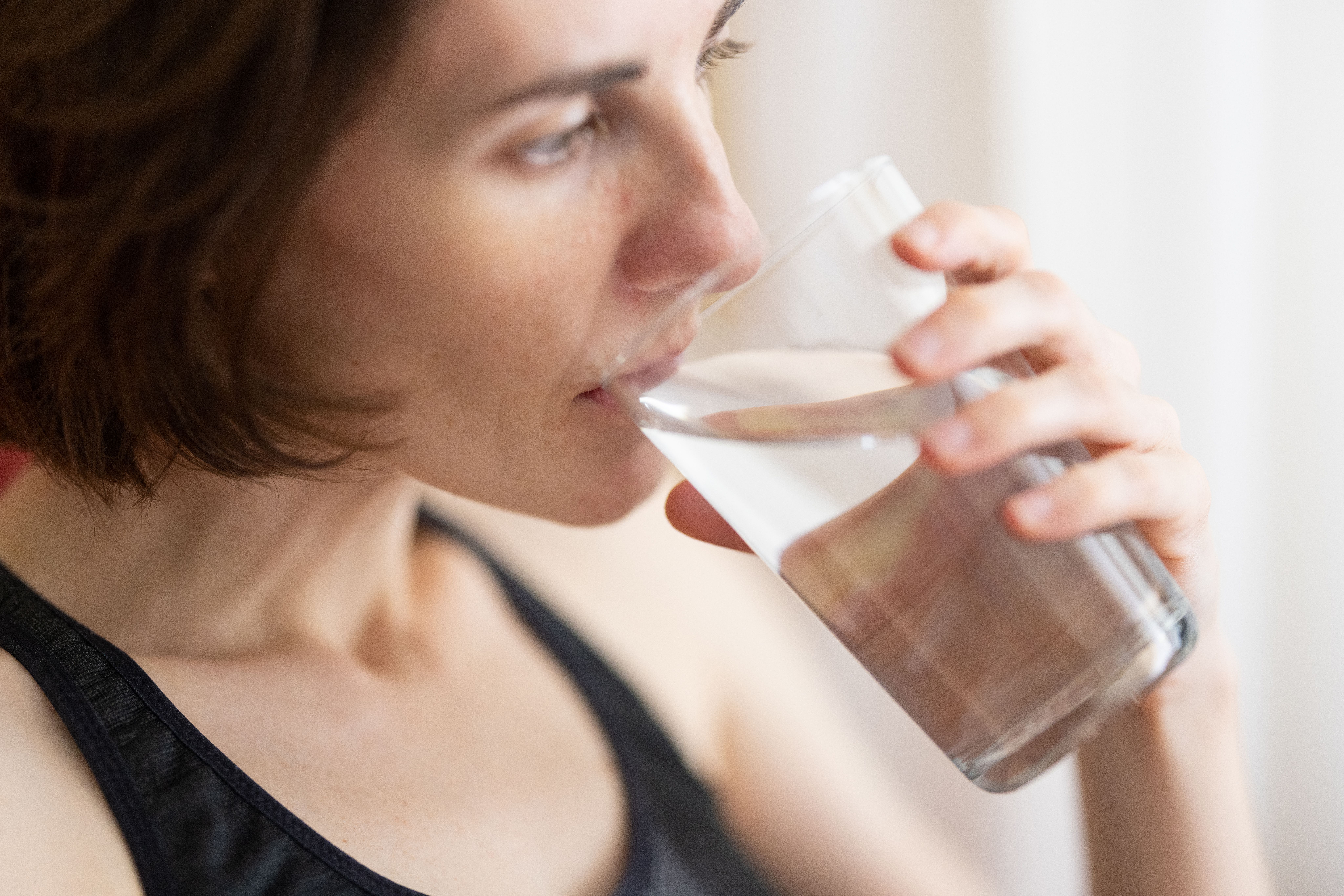
Does water have taste? We are told all our lives that drinking water should be tasteless, odorless, and colorless; but is that true?
Key notes
- Contrary to common belief, water has taste, odor, and mouthfeel influenced by mineral content, gases, treatments, and environmental sources.
- Specific traits—such as chlorine odors, carbonation, and high mineral levels (TDS)—affect how palatable water feels and why consumers prefer certain bottled brands over tap water.
- Trained panelists use blind taste tests to detect off-flavors, assess treatment effectiveness, and ensure water quality standards are met.
Introduction
Water sensory science is a field in sensorial evaluation not deeply studied; scientific articles about this particular subject are scarce, and the belief that water is tasteless continues to be at the forefront of people’s minds.
We have been told all our lives that water has no taste, no odor, and no color. However, when we consume water in our houses, household tap water doesn’t receive the same response as bottled water, and some bottled water brands are preferred over other brands.
So why does this happen? Why is there a preference for some water brands over others? Is it just a marketing strategy behind these preferences, or is there a scientific reason behind them? And most importantly, why do consumers prefer bottled water over tap water?
Water sensory profile is characterized by several factors, such as:
- Taste
- Color
- Odor
- Mouthfeel or texture
Water taste
Water does have a taste; there is a wide variety of substances and salts that contribute to different types of water taste. Some groundwaters are typically characterized by their high mineral content, usually quantified as total dissolved solids (TDS) in mg/l or ppm. Dissolved salts are one of the most important parameters for water taste.
As mentioned before, water does have a taste, and this perceived taste is due to the mineral content, dissolved gases, chlorine, and other components commonly found in water. These factors are influenced by the source of the water, the treatment that it received, the characteristic mineral content of the source, and the surrounding environment of the water source.
Some bottled water, like Evian and Perrier, have a total dissolved solids content of 350 mg/l and 450 mg/l respectively.
Water Odor
Water odor is another important sensory property of water. This property is affected by environmental factors, such as pollution, as well as by the treatment and disinfection processes used to treat the water.
Odor compounds in water can produce unpleasant smells, such as a musty or earthy odor. In some cases, water odor can also be a sign of bacterial contamination. One of the most recognizable tap water odors is that of chlorine due to the use of this chemical as a disinfectant agent in most municipal water treatment plants around the world. Chlorine odor can be eliminated from drinking water by the use of carbon cartridge filters commonly found in household presentations.
Water Mouthfeel
In addition to taste, odor, and color, another relevant water sensory property is water mouthfeel. Mouthfeel refers to the physical sensations that water produces in the mouth, such as its viscosity, texture, and aftertaste.
Water mouthfeel can be affected by several factors, including the temperature of the water, its carbonation level, and the concentration of minerals. Carbonated water can produce a fizzy sensation in the mouth, while water with a high calcium and magnesium content can feel gritty or chalky.
Water Taste Testing
Water taste testing is a critical part of water sensory science. In taste testing, trained panelists evaluate the taste, odor, and mouthfeel of different water samples. These samples are typically presented to the panelists in a blind taste test, where they are not told which sample they are tasting.
Water taste testing can help identify taste and odor problems in drinking water and can also be used to compare the sensory properties of different water sources. Taste testing can also be used to evaluate the effectiveness of water treatment processes and to ensure that the water meets quality standards.
Summary
In conclusion, water sensory profile is affected by a variety of components; some of them can be easily identified (e.g chlorine taste) while others require a trained palate. Water sensory science is in increasing development after being sidelined by analytical techniques of water quality assessment. Water quality enthusiasts are developing water tasting menus and events similar to those of wine and rum tasting to encourage water sensory knowledge in people’s minds.
References
- Zoeteman, B. C. J. (2015). Sensory assessment of water quality: Pergamon series on environmental science (Vol. 2). Elsevier.
- Teillet, E., Schlich, P., Urbano, C., Cordelle, S., & Guichard, E. (2010). Sensory methodologies and the taste of water. Food Quality and Preference, 21(8), 967-976.
- Bruvold, W. H., & Ongerth, H. J. (1969). Taste quality of mineralized water. Journal of the American Water Works Association, 61, 170.
- Bruvold, W. H., & Pangborn, R. M. (1966). Rated acceptability of mineral taste in water: I. Journal of Applied Psychology, 50(1), 22–32.


